Not every battered roof needs to come off. A lot of what Parker weather does to a roof, lifted shingles after a chinook wind run, a cracked pipe boot, flashing that finally let go, is repairable for a few hundred dollars instead of a five figure replacement. The trick is knowing which is which, and being honest about it.
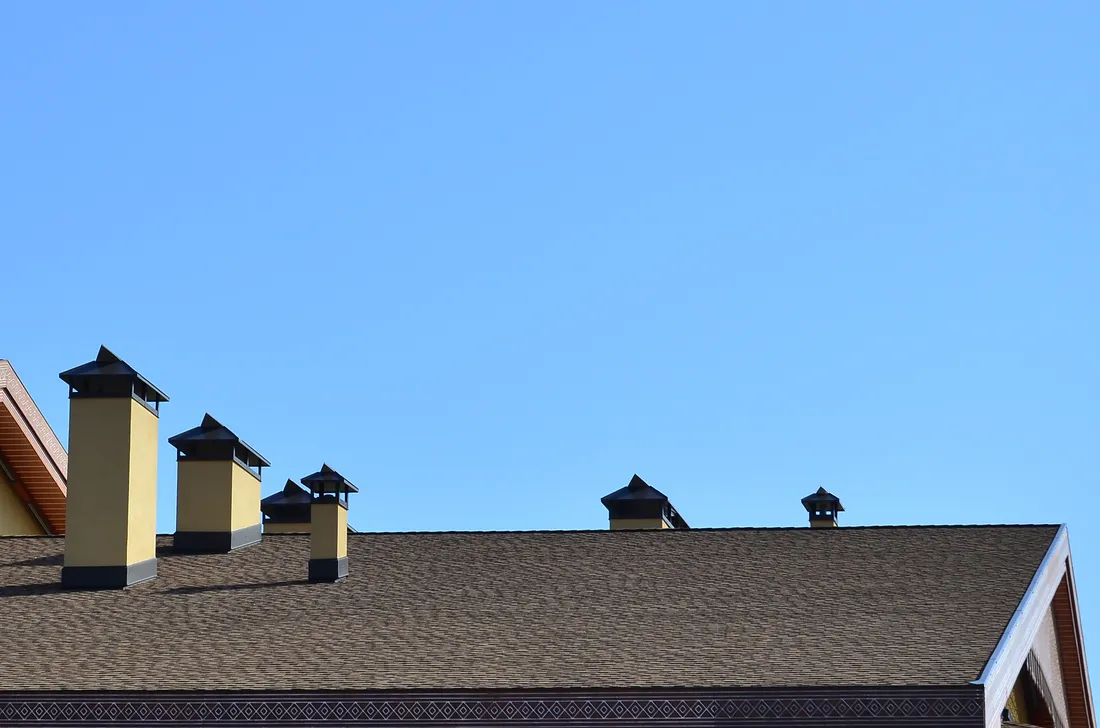
Common Roof Repairs in Parker, CO
The repair calls we see most across Parker neighborhoods:
- Wind lifted or creased shingles, usually on west and south exposures after gusty frontal passages
- Cracked or slipped pipe boots, the single most common source of ceiling stains
- Flashing failures at chimneys, sidewalls, and skylights
- Isolated hail hits on an otherwise healthy roof
- Nail pops and sealant failures on ridge caps
- Storm punctures from branches, common near the mature pines around The Pinery and Timbers
The 100 Square Foot Rule: When Repairs Skip the Permit
The Town of Parker does not require a permit for minor repairs replacing less than one square, which is 100 square feet of roofing. That covers most boot swaps, flashing work, and small shingle patches, so repair jobs can usually start as soon as materials match. Go bigger than a square and it becomes permitted work. One more wrinkle worth knowing: partial replacements in Parker must include the entire roof plane and all components, so you cannot legally re-shingle half a slope. When damage covers that much area, the conversation usually shifts to a full replacement anyway, often with insurance in the picture.
Leak Diagnosis: Water Rarely Enters Where It Shows
The ceiling stain in the hallway is almost never below the hole in the roof. Water gets in at a flashing seam or a cracked boot, runs down the underlayment or along a rafter, and surfaces ten feet away at the first drywall seam it finds. That is why chasing leaks by patching above the stain fails so often, and why we diagnose from the attic side first when there is access: water staining on the decking points straight at the entry point. On roofs without attic access we work the probable entries in order, penetrations first, then flashing runs, then field damage, because that is the actual frequency ranking we see across Parker repair calls.
A proper repair visit ends with photos of the fix and a hose test when conditions allow. If we cannot make the leak repeat, we say so rather than guessing and billing.
Winter Roof Repairs on the Palmer Divide
Parker winters add their own repair category. Freeze and thaw cycles work water into small openings and pry them wider, wind events strip ridge caps, and heavy spring snows find every weak flashing seam. Cold weather changes technique, sealants and shingle handling both have temperature limits, but it does not mean waiting until April: most repairs can be done properly on any dry day above freezing, and emergency dry-ins can happen in worse. The repair you make in January is routinely cheaper than the interior damage you discover in March.
Roof Repair or Replacement? How We Call It
We look at three things. First, the age and condition of the field shingles: repairing a 22 year old roof is like putting a new tire on a car with a rusted frame. Second, matchability, covered below. Third, the damage pattern. A dozen isolated wind hits point to repair. Widespread hail bruising across slopes points to a claim and replacement, because bruised mats keep failing for years after the storm that hit them. After a verified hail event like Parker's June 2024 storm, we will tell you plainly when filing a claim serves you better than paying for patch work. The full claim walkthrough lives on our hail damage repair page.
The Small Roof Hardware That Causes Big Repair Calls
Satellite dish mounts, holiday light clips, swamp cooler brackets, and solar attachment points from previous owners all share a trait: somebody put holes in the roof and sealed them with optimism. When we repair around legacy hardware we either flash it properly or remove it and close the penetrations for good. Gutter hangers deserve a mention too. When gutters pull loose under snow load they lever against the drip edge and fascia, and the repair is cheap right up until water starts running behind the fascia board instead of into the gutter.
Emergency Roof Repair After Parker Storms
When a storm opens your roof up, speed matters twice. Once to keep water out of the house, and once because your insurance policy requires you to mitigate further damage. We tarp and dry-in damaged sections, photograph everything before and after, and hand you a documentation set your adjuster can work from. Do not let anyone talk you into a full roof contract on your doorstep the night of a storm. Colorado law gives you 72 hours to back out of exactly that kind of signature.
Roof Maintenance That Delays the Next Repair Call
Most Parker repair calls trace back to small deferred items. Sealant at exposed nail heads ages out in five to seven years here. Pipe boots crack on roughly the same schedule, faster on south faces. Trees overhanging the roof, common around The Pinery and the older streets near Mainstreet, drop debris that dams water behind it. A short maintenance visit every couple of years, or after any significant storm, catches these while they are twenty dollar parts instead of drywall repairs. We fold a maintenance check into every free inspection, so the honest schedule is simply: after hail, and every second spring otherwise.
Matching Shingles on an Older Parker Roof
Much of Stonegate, Clarke Farms, and Cottonwood was roofed in waves after past hail years, which means whole streets carry discontinued colors and product lines. When your shingle is out of production we source the closest current match and put it where it is least visible, or we lay out the honest options when a match will stand out. Insurers sometimes owe for more than the damaged area when matching is impossible, and we flag those cases when we see them.
What Roof Repair Costs in Parker
Typical Parker repairs land between a couple hundred dollars for a boot or a handful of shingles and $1,500 or so for larger flashing and patch work. Repairs that creep past the permit threshold price differently, and at some point replacement wins the math. Current ranges live on the cost guide, and every repair we quote comes from an on-roof look, not a phone estimate.
Every repair starts with a free inspection and a photo report. If the smart answer is a $400 repair, that is what we will tell you.
Need a roof repair in Parker, CO?
Same week scheduling for most repairs. Emergency tarping when it cannot wait.
