Nobody in Parker wants a vague answer about roof money, so here are the real numbers, with the caveats attached where they belong. Colorado roof replacements commonly run $8,000 to $20,000, and Parker leans mid to upper in that band because homes here are bigger than the metro average and hail drives material choices upward. Here is where the dollars actually go.
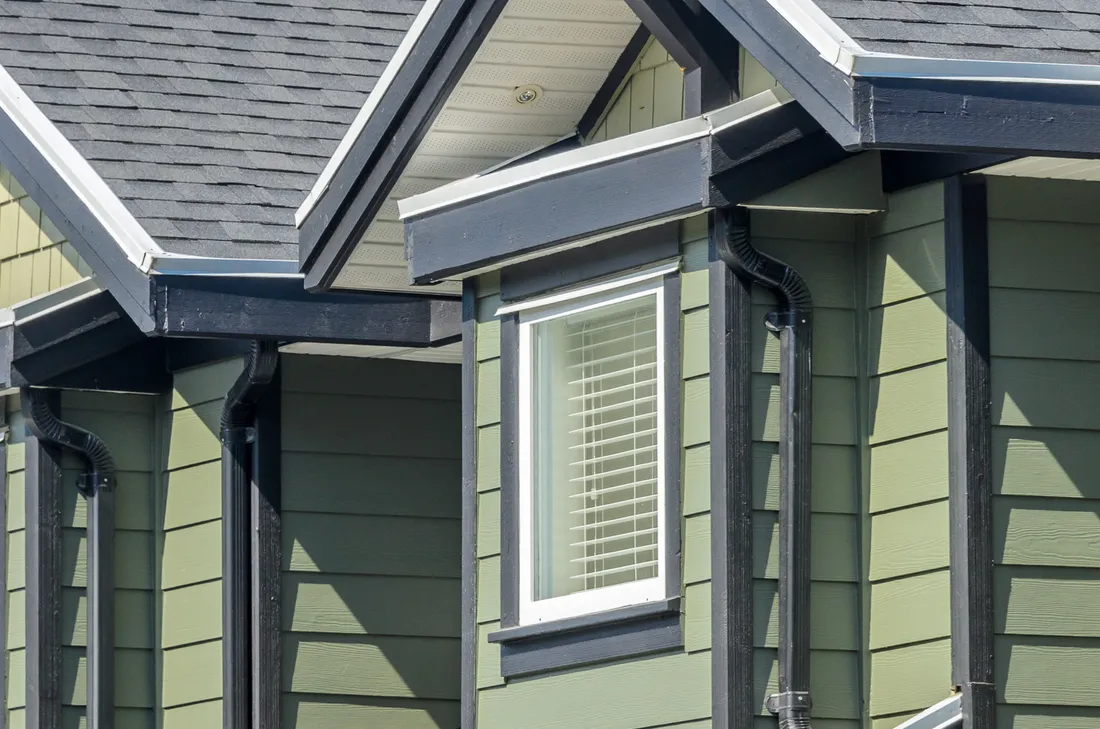
Average Roof Replacement Cost in Parker, CO
Installed cost depends mostly on material, so the honest way to show it is by system. Typical installed ranges for a Parker single family home:
| Roofing System | Typical Installed Range | Expected Life |
|---|
| Architectural asphalt shingles | $8,000 to $16,000 | 15 to 25 years here |
| Class 4 impact-resistant shingles | $9,000 to $19,000 | 20 to 30 years |
| Stone coated steel | $20,000 to $35,000 | 40 to 60 years |
| Standing seam metal | $25,000 to $45,000 | 40 to 70 years |
| Concrete tile (estate lots) | $30,000 and up | 50 plus years |
Treat these as brackets, not quotes. A 5,000 square foot Pradera home with cut up rooflines can double a range; a simple gable in Clarke Farms lands at the bottom of one. Roofers price in squares, 100 square feet of surface, and typical Parker homes run 25 to 45 squares once pitch is counted, which is why two houses with identical floor plans can carry different roof budgets. Details on the hail rated step up are on the Class 4 page, and metal has its own breakdown.
What Drives the Price in Parker Specifically
- Full tear-off, always. Parker prohibits overlays on asphalt roofs, so every job includes removal and disposal. Budget roughly $1,000 to $2,000 of any quote for that.
- Roof size and pitch. Steeper and more complex costs more in labor and safety setup. Parker's newer builds trend toward cut up, high pitch designs.
- Decking condition. Rotten OSB found at tear-off gets replaced by the sheet. Nobody can honestly price it until the old roof is off.
- Code items. Six nails per shingle, 90 mph rated materials, and drip edge at every rake and eave are Town requirements, priced into every legitimate quote.
- Access and disposal. Long driveways, landscaping protection, and dumpster placement all move the labor line a little.
Permit Fees in Parker
The Town of Parker prices building permits on a valuation basis, so the fee scales with the job. Re-roof permits are applied for through the Town's online eTRAKiT system, and the current schedule is published on the Town's permit fee page. On a typical replacement the permit is a small line item, a few hundred dollars against a five figure job, and it buys you the Town's final inspection as an independent check on the work. Our permit guide covers the process end to end.
Where Each Roofing Dollar Goes
On a representative $14,000 architectural replacement, roughly half is labor: tear-off, installation, and cleanup crews. Materials, shingles, underlayment, flashing, vents, and fasteners, run 35 to 40 percent. The remainder covers disposal, permit, overhead, and margin. That breakdown explains why prices move the way they do: steel tariffs and asphalt prices push the material share up in waves, while steep, complex, or high roofs push the labor share through safety setup and slower production. It also explains why a quote dramatically below market is structurally suspicious; there is no secret cheaper way to buy shingles, so the savings are coming out of labor quality, insurance coverage, or scope.
Insurance Claims Change the Roofing Math
When hail is the reason for replacement, and in Parker it usually is, you are not paying the table above out of pocket. You pay your deductible, your carrier pays the rest of the approved scope, and Colorado law flatly prohibits any roofer from absorbing that deductible for you. Two numbers to check in your policy today, before storm season: your wind and hail deductible, which on newer Colorado policies is often a percentage of dwelling coverage rather than a flat figure, and whether your payout is replacement cost or actual cash value. On a $650,000 Parker home, a 1 percent hail deductible is $6,500, and knowing that number ahead of a storm season beats discovering it the week after one. The claims walkthrough lives on the hail damage page.
Roof Repair Costs in Parker, for Scale
Not every roof problem is a five figure event. Typical Parker repair pricing runs a few hundred dollars for pipe boots, small patches, and sealant work, into the $1,000 to $1,500 range for larger flashing rebuilds or storm sections, all below the Town's permit threshold when the area stays under 100 square feet. The repair page covers where repair stops making sense; the short version is that repair money spent on a roof past 20 years old usually belongs in the replacement budget instead.
How to Compare Two Roofing Quotes
When quotes for the same roof land thousands apart, the difference is almost always in what is missing, not in efficiency. Line the documents up and check five things: is tear-off and disposal itemized, is the underlayment named by product rather than "felt," does the fastening spec say six nails, is the permit and inspection included, and does the warranty language name both the manufacturer term and the workmanship term with years attached. A quote that is silent on any of these is not cheaper; it is incomplete, and the difference arrives later as a change order or a shortcut. We write ours against that checklist on purpose, and we are comfortable being compared against anyone else's line by line.
When Roof Replacement Timing Saves Money
Post storm months are the expensive, crowded time: material demand spikes, inspection queues fill against the Town's 35 per day cap, and every crew in the county is booked. If your roof is aging out on its own schedule rather than a storm's, pricing a replacement in late fall through early spring routinely goes smoother and sometimes cheaper. You also skip competing with a thousand simultaneous insurance jobs for the exact same shingle color and crew calendar.
Getting a Real Roofing Quote for Your Parker Home
Ranges end where your roofline begins. We measure the actual roof, check the decking indicators, price the material you actually want, and put a firm written number on it, free, after a real inspection. The quote holds for a stated window, and it itemizes everything the comparison checklist above demands. If an insurance claim is in play we build the estimate against your carrier's scope so there are no surprise gaps between what they pay and what gets built.
Want a firm roofing quote in Parker, CO?
Free inspection first. Written numbers, not doorstep ranges.
